



Model answer on “Malacca Strait and India’s Strategic Interests”:
The Strait of Malacca, linking the Indian Ocean with the South China Sea and Pacific, is one of the world’s busiest maritime chokepoints. For India, its significance is both economic and strategic. Over half of India’s external trade and the bulk of its energy imports from West Asia pass through this narrow corridor.
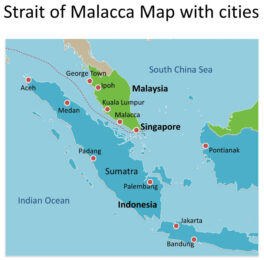
Equally, the prosperity of East Asian economies, especially China and Japan, depends on unhindered access to Malacca, making it a critical artery of global commerce.
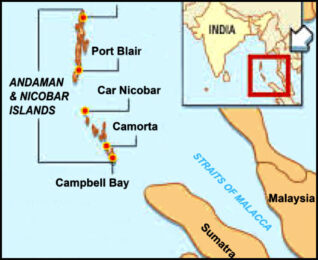
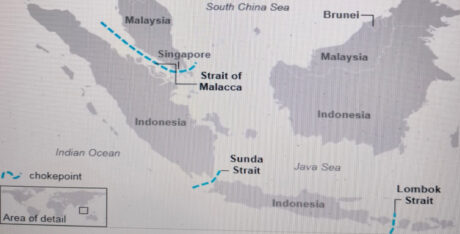
Strategically, Malacca lies close to India’s Andaman and Nicobar Islands, giving India a natural vantage point to monitor maritime traffic. This has led to the strengthening of the Andaman and Nicobar Command, India’s only tri-service command, as a forward base to safeguard the sea lanes. At the same time, China’s “Malacca Dilemma” – its overdependence on this chokepoint – explains its Belt and Road investments and naval presence in the Indian Ocean.
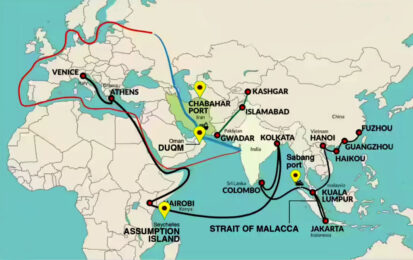
For India, this creates both opportunities and challenges: opportunities to assert itself as a net security provider, and challenges to counter China’s encirclement through the “String of Pearls.”
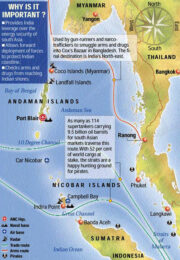
In essence, the Malacca Strait is not just a trade route but a strategic lever. India’s policies like SAGAR, Act East, and Indo-Pacific partnerships hinge upon securing this gateway.
#MalaccaStrait , #Geopolitics , #SeaLanes ,#MaritimeRoutes , #Chokepoints, #IndiaStrategicInterests , #IndianOceanRegion , #AndamanNicobar , #ActEastPolicy , #IndoPacific , #MaritimeSecurity , #NavalStrategy , #EnergySecurity , #QUAD , #ChinaFactor , #MalaccaDilemma, #UPSCGeography , #UPSCInternationalRelations ,
#UPSCMains , #CurrentAffairs , #StrategicStudies , #GlobalTradeRoutes ,